



 Fee Schedule
Latest News
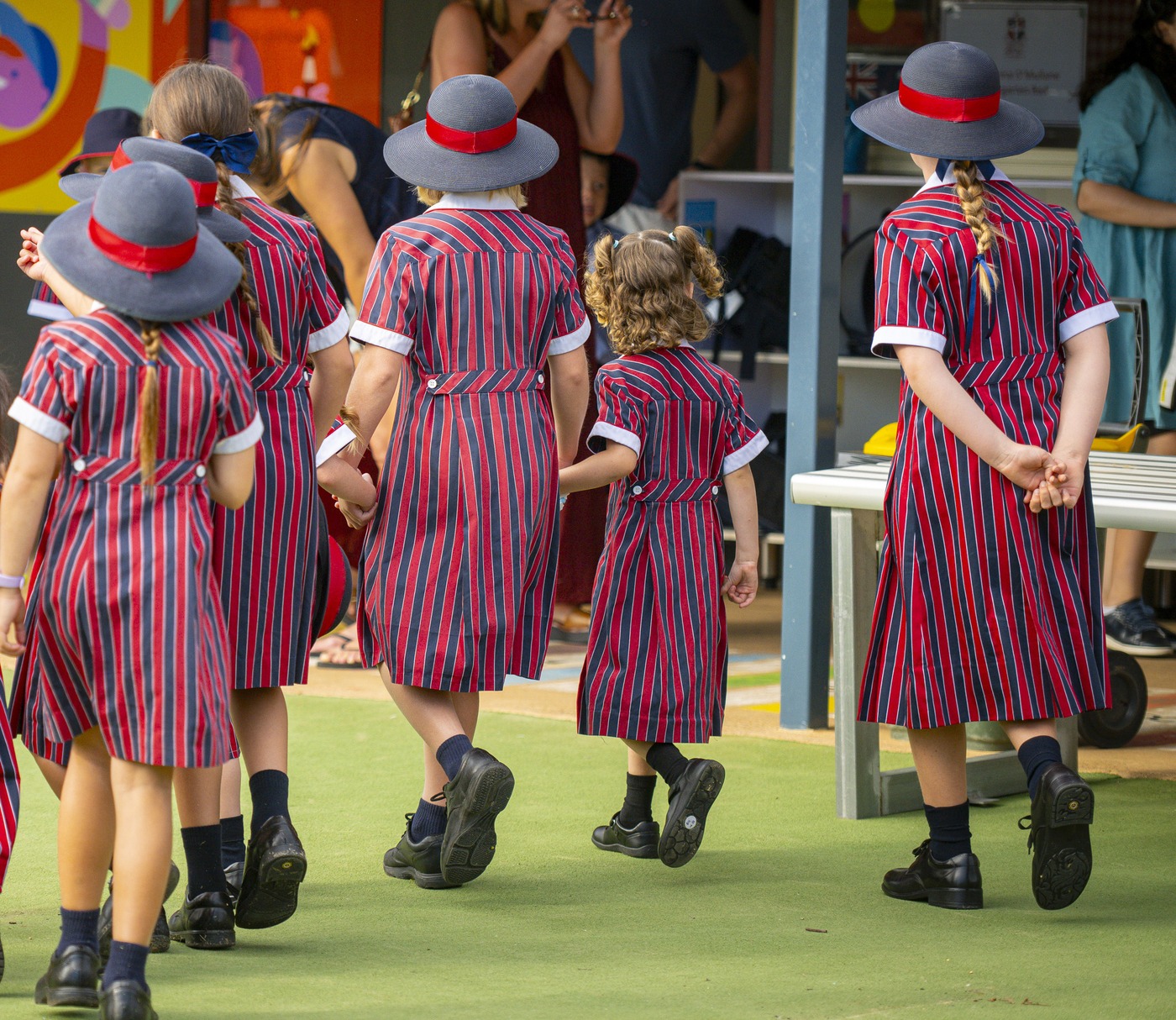
Supporting Prep and Kindergarten children as the reality of school sets in.
The first days of school are done. The uniforms are on. The bags are packed.
And for many families, there’s a quiet sense of relief —
we made it
.
At Calrossy, we know that starting school isn’t just a milestone for children, but for parents too. While the early excitement often carries students through those first days and weeks, it’s not unusual for our youngest learners to hit a wall once the reality of every day school settles in.
For Prep and Kindergarten students — even those already familiar with our campus — this period can bring tiredness, tears, and big emotions.
“Prep plays a really important role in easing the transition to Kindergarten,” says Kim Bargwanna, Infants Stage Coordinator.
“Children already know the spaces, routines and many of the staff — things like the library, PDHPE, music and classroom expectations. That familiarity gives them confidence, but the school day is still a big adjustment.”
When tiredness shows up as tears
“It’s very common for fatigue to appear emotionally rather than physically. After several weeks of concentrating, listening, socialising and following routines, young children can feel overwhelmed — especially in the afternoons.”
At home, this may look like:
- Tears over small things
- Irritability or emotional outbursts
- Wanting extra reassurance
- Boundary-pushing or regression.
These responses are normal and usually temporary.
How parents can help at home
1. Protect sleep and routines
Young children typically need 10–13 hours of sleep a night. Earlier bedtimes, calm evening routines and predictable mornings can make a huge difference to their ability to cope during the day.
2. Expect the emotional release
Many children “hold it together” at school and then let it all out at home — because home feels safe. While this can be exhausting for parents, it’s often a sign your child is trusting you with their biggest feelings.
Using simple language like “It looks like today felt really big” helps children feel understood and supported.
3. Build in movement and downtime
After a day of sitting, listening and using fine motor skills, children benefit from free movement. A run in the backyard, playground time, or simply unstructured play can help reset their nervous system.
4. Keep school goodbyes calm and confident
Showing trust in your child’s teacher is powerful. Remind your child when you’ll return, express confidence in their day, and try not to linger.
If separation anxiety continues, a small comfort item — such as a scarf or trinket tucked safely into their bag — can help them feel connected during the day.
5. Let them revisit “little kid” comforts
It’s okay if your child wants to pull out old toys or familiar games at home. This regression is a healthy way of balancing the big demands of a new stage of life.
6. Trust the process — and yourself
“Transitions take time,” says Mrs Bargwanna.
“Children are learning how to manage emotions, expectations and independence all at once. With consistency, reassurance and partnership between home and school, they settle — and they thrive.”
If you’re feeling tired too, you’re not alone. Starting school is a family transition. Be gentle with yourself, keep communication open with teachers, and remember — this season passes.